This is not a SFW instance. NSFW communities will be tagged, and efforts will be made to keep SFW communities clean, but proceed at your own comfort level.
Worth mentioning that they are absolutely not safe as the exposed prongs are energised. They are called suicide cords for a reason. All it takes is to plug the cord into a running generator or working outlet first and the exposed terminals are now live.
Its also worth noting that they very often kill linesmen working to desire the utility because people use them to hook up their generators without turning off their main breaker which back feeds onto the grid.
Proper generator inlets are very readily available and if you don’t want to go that route, just plug your fridge and other important devices into your generator with extension cords.
There are zero ways to use this cord correctly. Do not tell people otherwise. The proper generator connection is to, as you just said, use a proper generator inlet and interlock like you said you use. Anyone using a cord like this is using it incorrectly as there is no correct way to use it. Both the CEC and the NEC expressly forbid these. All it takes is for a child to unplug the wrong end and touch the exposed prongs and they will get shocked.
A proper generator inlet should have the male ends in a recessed inlet box connected to either a transfer switch or an interlocked generator panel.
Would that only happen if one outlet were wired backwards (hot to neutral and vice-versa)?
If both outlets are wired correctly, as I’m envisioning it, the extension cord is parallel to the existing branch.
Same if both outlets are wired (the same) incorrectly.
But if one outlet is wired correctly and one has its poles swapped, then you are shorting hot directly to neutral…
But also being a 3-prong outlet…assuming everything is wired correctly…the short would either be redirected to ground and either trip the breaker or trigger a GFCI…no?
IANAElectrician. Just a high dude thinking about circuits.
Worth mentioning that the point of a suicide cord like this isn’t to connect two outlets together…really no reason to do that…it’s usually used to hook up a generator (or other load-center, like say a campground plug) to a branch circuit when the home/rv/load doesn’t have an inlet. It’s also extremely dangerous if used incorrectly, and there are several ways to very easily use it incorrectly.
Unless one of your outlets is wired backwards, plugging this into 2 outlets on the same side of your electrical panel won’t do anything.
If you were able to plug it into outlets on different sides of your panel, then you just created a 240v short and the cable is going to be real-spicy real-quick.
Unless the cord crosses hot to neutral, connecting two ends to the same outlet won’t do anything. In fact behind the wall, that’s how the two halves of a socket, or two adjacent sockets on the same breaker, are wired.
i managed to do that to myself once in my sleep; i had managed to wrap my arm around a lamp cord which came out of the plug, and when i rolled over i managed to put my thumb on the exposed wires.
I’ll never understand why the US refuses to modernize the horrid NEMA 5 connectors. A recessed receptacle, insulators around the base of the live and neutral blades, spring-loaded detention mechanism to keep the connector from slipping out… in its current state, it’s only two steps removed from sticking the bare wires into the socket.
Because everything the EU and the rest of the world does is stupid. By adapting things from other countries would be akin to acknowledging that other countries can do some things better than the US. But this can’t be, since the US is Numbaaa 1! /s
Arrogance: we especially don’t want to do it because the rest of the world does.
Cost: not the equipment, though that can get pretty pricey considering we up the margins on everything, but mostly labor; labor is ungodly expensive (they cry insurance or (my fave) “you’re paying for the years of experience”).
Not legally, and if you’re not careful it can go from a suicide cord to a homicide cord. If you’re still connected to the grid while you use one, it can backfeed and fry a lineman who was working on what they thought was a disconnect line.
The proper way to do it is to get a transfer switch, which disconnects you from mains before you can connect to a generator.
Not doubting what you’re saying but just a bit confused because wouldn’t electrifying what a lineman works on end up overloading the generator because you’re now powering everything up to where the circuit broke upstream? Saying this based on an assumption that the lines service multple households and the generators are designed to keep important things running rather than just replace power plants for even one house, let alone the neighbourhood.
How do they handle solar setups that are set up specifically to send power into the grid?
If you really, really needed to power a whole house, you could use one of those, but you need to turn off the main breaker and lock the door shut. If you have the foresight to get a male-to-male, you have the foresight to get an interconnect setup.
i guess if you’re got a bad breaker on your panel, you can load 2 circuits on one breaker with that thing, at least until the hardware store opens. you still get overcurrent protection… but a very unlikely thing to need

The last extension cord you will ever need.
The lovely suicide cord.
Worth mentioning that it is plenty safe…if used appropriately (for attaching a generator to a house that doesn’t have an inlet).
It’s when it’s not used appropriately that’s a problem. And it’s very easy to not use it appropriately.
Murphy’s law says it will be used wrong, and as such it is a bad design and a bad idea.
There are alternatives that are better, this has only the advantage of being cheap.
It has the advantage of being easily made in an emergency situation.
Idk, I think it’s a worthwhile thought exercise to know the wrong ways to do something, in case the situation ever arises where you need to.
To a certain extent, yes.
Like it’s a good idea to drink from a ditch if that’s the only water. Better than dying of thirst anyway.
Worth mentioning that they are absolutely not safe as the exposed prongs are energised. They are called suicide cords for a reason. All it takes is to plug the cord into a running generator or working outlet first and the exposed terminals are now live.
Its also worth noting that they very often kill linesmen working to desire the utility because people use them to hook up their generators without turning off their main breaker which back feeds onto the grid.
Proper generator inlets are very readily available and if you don’t want to go that route, just plug your fridge and other important devices into your generator with extension cords.
And that would all count as “not using it correctly”.
As I said, they are many ways to very easily use it incorrectly. Being overconfident about it is one, which is why I have an inlet and an interlock.
There are zero ways to use this cord correctly. Do not tell people otherwise. The proper generator connection is to, as you just said, use a proper generator inlet and interlock like you said you use. Anyone using a cord like this is using it incorrectly as there is no correct way to use it. Both the CEC and the NEC expressly forbid these. All it takes is for a child to unplug the wrong end and touch the exposed prongs and they will get shocked.
A proper generator inlet should have the male ends in a recessed inlet box connected to either a transfer switch or an interlocked generator panel.
at least it’s short enough that it will only reach two plugs on the same panel, thereby guaranteeing that the first things that blow are breakers.
Would that only happen if one outlet were wired backwards (hot to neutral and vice-versa)?
If both outlets are wired correctly, as I’m envisioning it, the extension cord is parallel to the existing branch.
Same if both outlets are wired (the same) incorrectly.
But if one outlet is wired correctly and one has its poles swapped, then you are shorting hot directly to neutral…
But also being a 3-prong outlet…assuming everything is wired correctly…the short would either be redirected to ground and either trip the breaker or trigger a GFCI…no?
IANAElectrician. Just a high dude thinking about circuits.
Worth mentioning that the point of a suicide cord like this isn’t to connect two outlets together…really no reason to do that…it’s usually used to hook up a generator (or other load-center, like say a campground plug) to a branch circuit when the home/rv/load doesn’t have an inlet. It’s also extremely dangerous if used incorrectly, and there are several ways to very easily use it incorrectly.
You can’t just branch and reconnect AC power lines at random points.
Or rather, you can, maybe only once though.
You are forgetting the plug on the knob that will plug it in
Yeah, not what I need. I need NEMA 5-15 to CAT6 adapter
the P in PoE stands for Pulverization
Unless one of your outlets is wired backwards, plugging this into 2 outlets on the same side of your electrical panel won’t do anything.
If you were able to plug it into outlets on different sides of your panel, then you just created a 240v short and the cable is going to be real-spicy real-quick.
That’s only true if your house runs on DC.
Unless the cord crosses hot to neutral, connecting two ends to the same outlet won’t do anything. In fact behind the wall, that’s how the two halves of a socket, or two adjacent sockets on the same breaker, are wired.
then the thermal breaker would jump
Alternatively, One can plug one end in, then you have a creative new way to parent.
“Didn’t mow the lawn? C’mere Billy, hold out your palm.”
i managed to do that to myself once in my sleep; i had managed to wrap my arm around a lamp cord which came out of the plug, and when i rolled over i managed to put my thumb on the exposed wires.
I’ll never understand why the US refuses to modernize the horrid NEMA 5 connectors. A recessed receptacle, insulators around the base of the live and neutral blades, spring-loaded detention mechanism to keep the connector from slipping out… in its current state, it’s only two steps removed from sticking the bare wires into the socket.
Because everything the EU and the rest of the world does is stupid. By adapting things from other countries would be akin to acknowledging that other countries can do some things better than the US. But this can’t be, since the US is Numbaaa 1! /s
Tbh insulating the blades bases would be a huge step in the right direction, and there’s no remodeling required.
At least for homeowners, factories would need new production lines presumably.
i don’t live in north america, but this was in a house from the 1910s.
Unless you accidentally touch one of the prongs after plugging one end in… 😅
Laughs in generator.
Even better: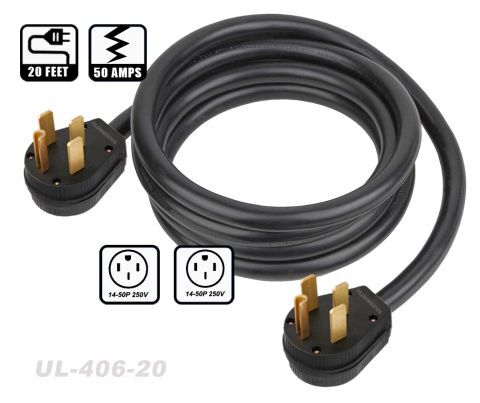
Is this the one you use to feed the house from a generator? If so, I think that’s the one time it’s valid
Not legally, and if you’re not careful it can go from a suicide cord to a homicide cord. If you’re still connected to the grid while you use one, it can backfeed and fry a lineman who was working on what they thought was a disconnect line.
The proper way to do it is to get a transfer switch, which disconnects you from mains before you can connect to a generator.
Not doubting what you’re saying but just a bit confused because wouldn’t electrifying what a lineman works on end up overloading the generator because you’re now powering everything up to where the circuit broke upstream? Saying this based on an assumption that the lines service multple households and the generators are designed to keep important things running rather than just replace power plants for even one house, let alone the neighbourhood.
How do they handle solar setups that are set up specifically to send power into the grid?
If you really, really needed to power a whole house, you could use one of those, but you need to turn off the main breaker and lock the door shut. If you have the foresight to get a male-to-male, you have the foresight to get an interconnect setup.
You can get a male-ended socket on the house for that exact scenario.
Don’t forget a master switch between it and mains. Otherwise, line workers (and you) could get injured.
Bonus points if it auto-switches based on whether mains is available.
Oh that’s so much smarter.
i guess if you’re got a bad breaker on your panel, you can load 2 circuits on one breaker with that thing, at least until the hardware store opens. you still get overcurrent protection… but a very unlikely thing to need