This is not a SFW instance. NSFW communities will be tagged, and efforts will be made to keep SFW communities clean, but proceed at your own comfort level.
KPop Demon Hunters was a resounding success for Netflix, coming out of nowhere to become the platform’s most-watched movie of all time and spawning several of last year’s biggest pop hits. It was less of a success for Demon Hunter, the Christian metal band that presumably has been getting mogged in the search bar ever…
But no, they still haven’t shown trademark infringement. You’re really going to tell me that the metal band lost measurable business because some idiot on the internment couldn’t tell the difference between a kpop musical on Netflix and their metal band.
all because they were either to cheap to pay for SEO or so crappy that paying for SEO still doesn’t matter. (Bet: the settlement includes SEO.)
Sorry. No. That’s not trademark infringement. It’d be like McDonald’s Plumbing suing McDonald’s burgers.
Guess what- these things happen, and they’d have to show that that the decision was intentional and malicious, when the people making the decision probably didn’t even know the metal band existed. That’s not going to happen.
Again, please read the article. The more apt comparison would be if McDonald’s Plumbing started selling and marketing burgers. This is a pretty straightforward case and will likely be settled for a sum that can be found in Netflix’s/AEG’s couch cushions. Also, “maliciousness” is not a factor in determining trademark infringement.
The differences in other branding are sufficient that no one looking at the webpages or whatever they clicked on would be confused. There’s not a likely chance that someone is going to confuse Demon Hunter the Metal Band with KPop Demon Hunter the Anime. And even if they did click the wrong link there’s no real harm. All it really means is that whoever took the wrong link hop needs to work on their google-foo.
I mean. really. look at the difference in branding:
Vs:
The concept of “Demon Hunter” as a thing is something that’s common enough that it’s going to bump into other brands. It’s not like they went after the 2005 movie “Demon Hunter”
and while things may have fallen through the cracks, but when you apply for a trademark the USPTO searches their database to verify that there’s nothing already trademarked that you might be infringing on. given that netflix has a trademark, that search happened in some form and they decided it was acceptable.
No. I didn’t because I have better things to do.
But no, they still haven’t shown trademark infringement. You’re really going to tell me that the metal band lost measurable business because some idiot on the internment couldn’t tell the difference between a kpop musical on Netflix and their metal band.
all because they were either to cheap to pay for SEO or so crappy that paying for SEO still doesn’t matter. (Bet: the settlement includes SEO.)
Sorry. No. That’s not trademark infringement. It’d be like McDonald’s Plumbing suing McDonald’s burgers.
Guess what- these things happen, and they’d have to show that that the decision was intentional and malicious, when the people making the decision probably didn’t even know the metal band existed. That’s not going to happen.
Again, please read the article. The more apt comparison would be if McDonald’s Plumbing started selling and marketing burgers. This is a pretty straightforward case and will likely be settled for a sum that can be found in Netflix’s/AEG’s couch cushions. Also, “maliciousness” is not a factor in determining trademark infringement.
No it wouldn’t.
Again. Please try and understand what I’m saying.
The differences in other branding are sufficient that no one looking at the webpages or whatever they clicked on would be confused. There’s not a likely chance that someone is going to confuse Demon Hunter the Metal Band with KPop Demon Hunter the Anime. And even if they did click the wrong link there’s no real harm. All it really means is that whoever took the wrong link hop needs to work on their google-foo.
I mean. really. look at the difference in branding:
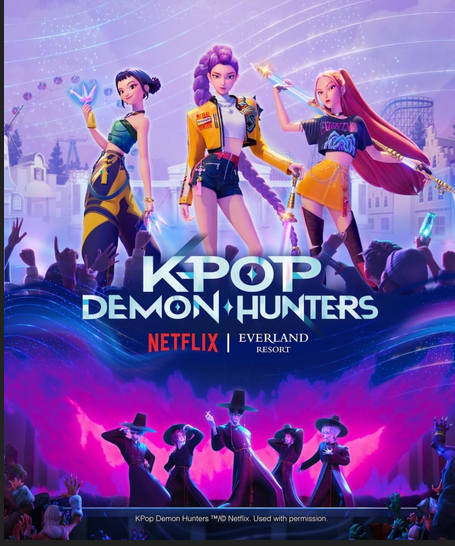
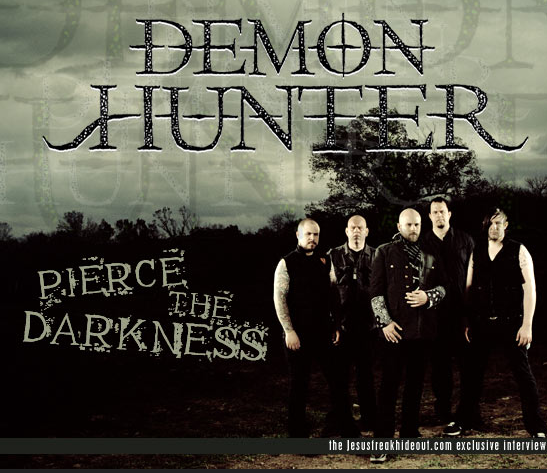
Vs:
The concept of “Demon Hunter” as a thing is something that’s common enough that it’s going to bump into other brands. It’s not like they went after the 2005 movie “Demon Hunter”
and while things may have fallen through the cracks, but when you apply for a trademark the USPTO searches their database to verify that there’s nothing already trademarked that you might be infringing on. given that netflix has a trademark, that search happened in some form and they decided it was acceptable.