GenderNeutralBro@lemmy.sdf.orgtoLinux@programming.dev•Debian 13.7 “Trixie” Released with 106 Bug Fixes and 107 Security UpdatesEnglish
2·
3 days ago13.x is Trixie. 13.7 is new. Not a whole new version, just a point update to Trixie.
13.x is Trixie. 13.7 is new. Not a whole new version, just a point update to Trixie.
Released last year as stable. Perhaps you were running it when it was in testing, going back several years.
3060s are popular at a certain price/performance level for certain AI workloads, because they have a lot of VRAM for the price. And underclocking GPUs is also somewhat popular because AI workloads are bottlenecked more by memory bandwidth that compute speed.
At least…in theory. I’ve never heard of people underclocking 3060s specifically. I’m skeptical. And at $500 I think they’ve thrown price/performance out the window.
I’m sure some crazy person is going to put 8 of these in a jury-rigged case made of scrap wood.
Fucking NIMBYs.
I’ve seen this on smaller scales everywhere I’ve been. Some gentrifying asshole moves in across from a bar, proceeds to complain about ordinary bar noise. Police issue warnings, maybe the city council forms a committee.
If you are hypersensitive to noise, maybe don’t move across from a bar. These idiots make their idiocy everyone else’s problem.
Overall, our results suggest a moderate labor supply effect that does not appear offset by other productive activities.
Okay but also fuck you.
That’s the exact opposite of what your graph shows. Did you not see the huge spike after Trump’s second inauguration in the graph you posted?
More arrests under Trump, with a lower conviction rate.
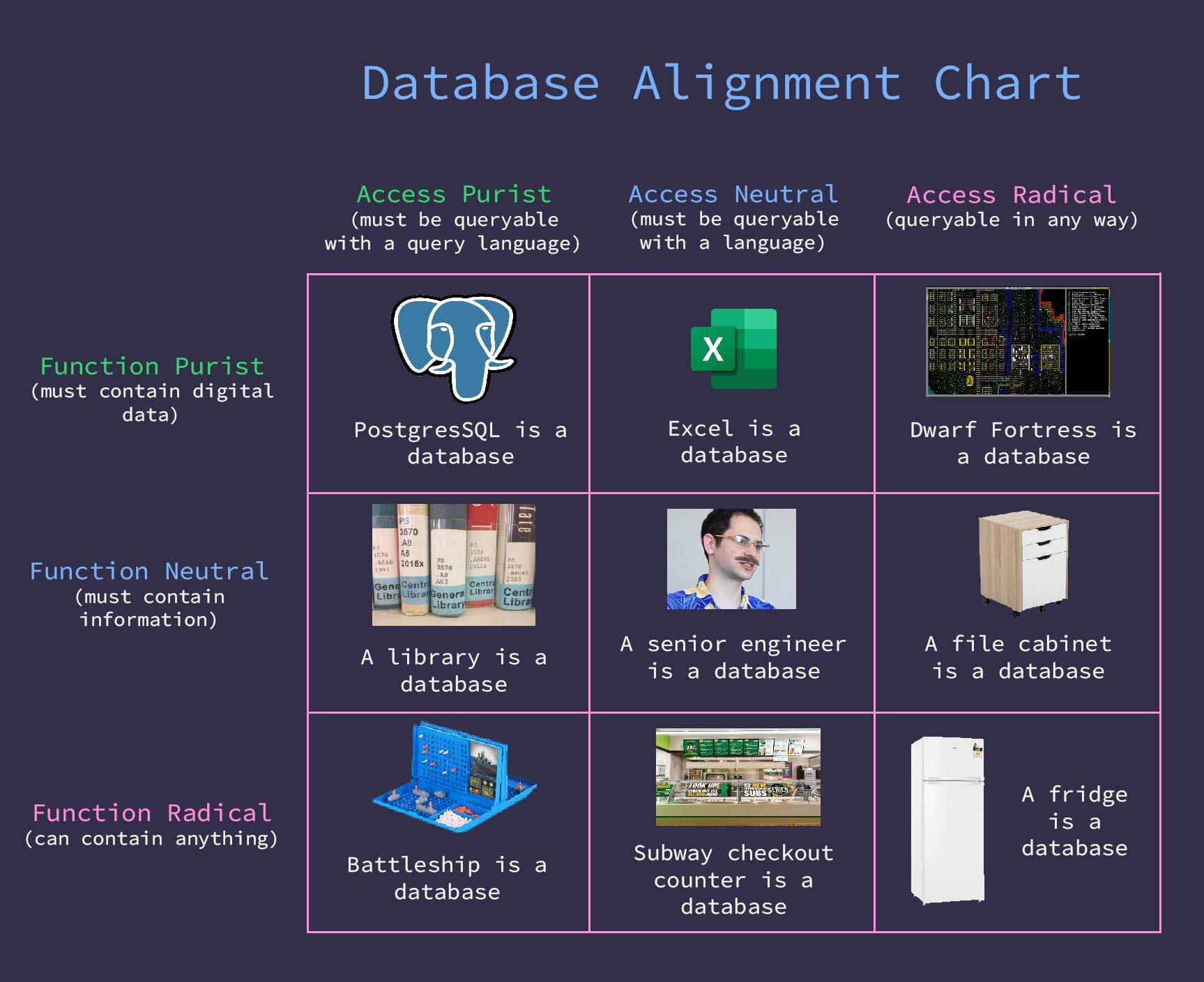
Next you’re going to tell me that my fridge is not a database either.
IIRC research shows similar brain activity between reading books and listening to audio books.
But splitting attention is another matter. I listen to podcasts a lot, and often I’ll finish an episode and realize I have no idea what happened because I was focused on work.
When it comes to audiobooks, I try not to split my attention because of that. Sometimes I’ll listen to the audio book while reading along. For me that seems to improve my speed and focus compared to either one on its own. I’ll crank up the audio speed to around 3x, which is too fast when just listening but fine when reading along. And the audio keeps me at a steadier pace than reading alone.
The cheapest options I’ve found over the years are mostly black Friday sales on lifetime plans. Be careful who you trust, of course. There are lots of scammy ones out there, but there are also some reputable companies that have been around a good long while still offering lifetime plans. Check reviews before buying.
Over the years I’ve picked up cheap(ish) lifetime memberships with pCloud, Koofr, and Filen. I’ve already gotten my money’s worth out of them.
I use Borg to create encrypted backups on an external HD, and then I periodically sync that to cloud providers. I prefer E2EE services but it’s not a strict requirement for backups since Borg encrypts them anyway.
On Windows I recommend Kopia instead of Borg, at least until Borg gets an official stable windows build (planned for 2.0, currently in beta)
I exclude most things I could re-download like games and movies so 1TB covers my needs pretty well.
For those downvoting: please explain why, and don’t just downvote as a knee-jerk reaction to the bonkers-sounding headline. The purpose of science is not to reinforce conventional wisdom.
If this is true, we need to understand why.
If it is not, we need to understand why.
I’m not familiar with Pediatric Exercise Science as a journal, but from a quick lookup it seems legit enough, so I’m not going to dismiss it out of hand just because it doesn’t jibe with my biases.
I’ve only had time to skim the paper itself. Nothing jumps out at me as outrageous or delegitimizing, though I am left with questions about the self-reporting, and the conclusions from the paper seem to be far less conclusive that the article headline suggests (as usual…).
I also wonder how “screen time” from the 2008 and 2015 data sets would realistically compare to “screen time” today. The digital landscape has changed a lot in the past 18 years. I am older than the Internet, and my experience with computers as a teenager was very different from today’s teenagers’. The majority of my screen time at that age involved a lot of problem solving and creativity. I don’t think that’s the lion’s share of screen time today, but it’s certainly not absent either.
TIL you can install PCI cards by just…taping up extraneous pins??? And they work that way??? Cooooool.
At this point, hiding from OpenAI and Anthropic is almost as hard as hiding from Facebook and Google. It doesn’t matter if you personally Just Say No, when you have no way to control what everyone else in your circles will with your information.
For example, when you exchange phone numbers with someone, you don’t know what apps on their phone have “contacts” access. Every fucking social media app they use now knows your name, phone number, and at least part of your social graph.
With AI, let’s say you send someone an email. You have no idea what their email client will do with that. Microsoft won’t fucking quit with AI integration. And even if they’re using decent software that doesn’t automatically funnel everything into AI, otherwise-sane people paste fucking everything into ChatGPT themselves. You cannot realistically protect yourself if you collaborate with anyone.